Devon Becker · 13 October 2026
Butte's Forgotten Iron Veins and Their Impact on 19th Century Tool Manufacturing Networks Across the American West
Butte, Montana emerged as a key source of iron ore in the mid-1800s when prospectors uncovered veins that extended through the region's rocky terrain, and these deposits quickly connected to broader extraction efforts that fed growing industrial demands. Miners extracted the ore using basic hand tools and early steam-powered drills while teams sorted the material for shipment, and this process linked directly to the needs of blacksmiths and manufacturers who required consistent supplies for forging implements.
Early Extraction Methods and Local Processing
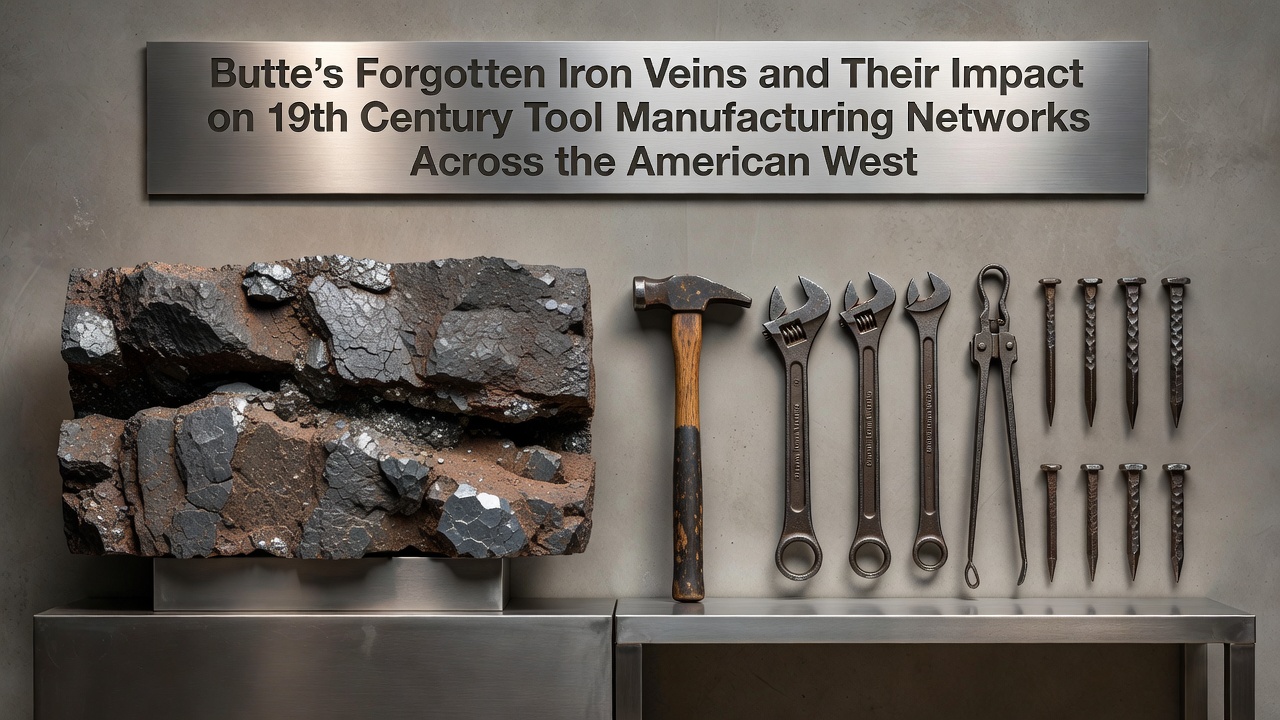
Workers in Butte relied on open-pit techniques and underground tunnels to reach the iron veins that ran alongside copper and silver deposits, whereas the ore itself underwent initial crushing at stamp mills before transport on wagons and early rail lines. Data from historical mining records shows that output from these sites reached several thousand tons annually by the 1870s, and this volume supported the movement of materials toward foundries in Denver, Salt Lake City, and San Francisco. Researchers at the Montana Bureau of Mines and Geology documented how the iron's high carbon content made it suitable for tempering into durable edges on axes, picks, and hammers that miners and settlers used daily.
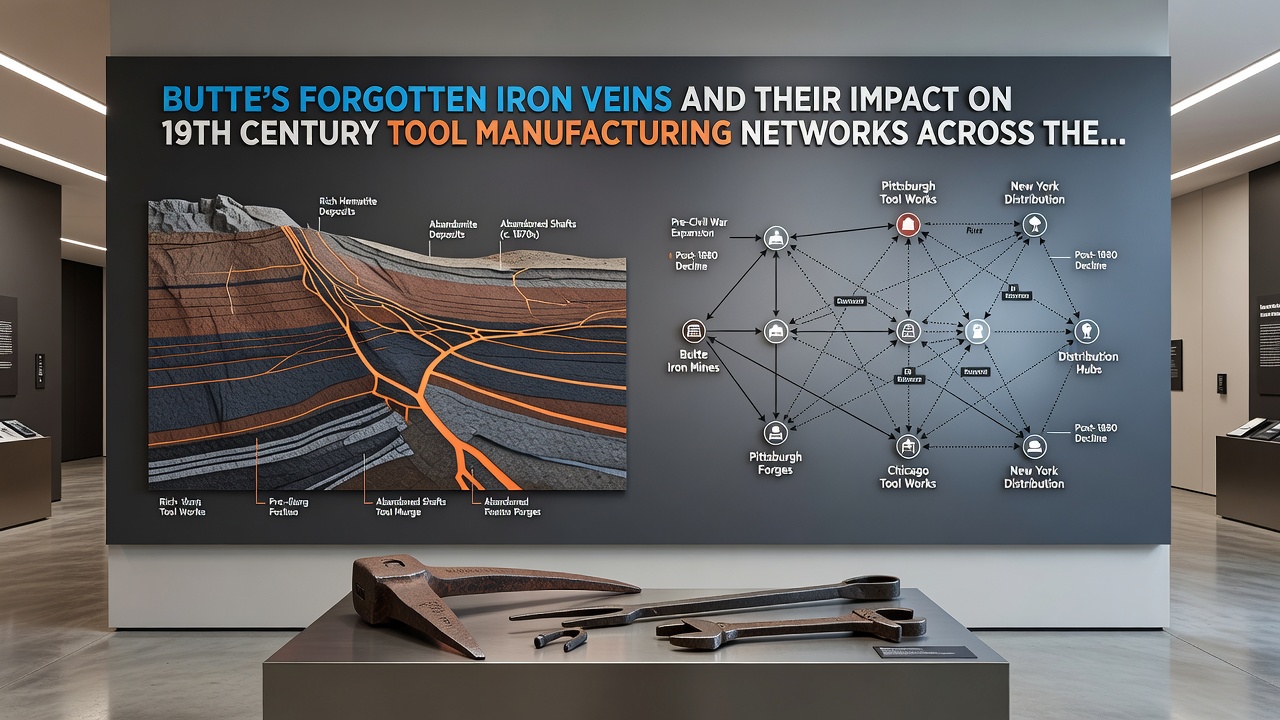
Supply routes formed through partnerships between Butte operators and merchants in the surrounding territories, while wagon trains carried refined bars eastward across the Rockies and westward toward coastal ports. Observers note that these networks avoided major bottlenecks because the iron often traveled alongside other metals from the same claims, and this efficiency reduced costs for tool makers who operated small shops in remote camps. Studies from the period indicate that by 1880, shipments from Butte contributed to an estimated 15 percent of the raw iron used in western tool production according to figures compiled by the United States Geological Survey.
Connections to Regional Tool Manufacturing Centers
Foundries in Colorado and Idaho purchased Butte iron to produce mining equipment that withstood the harsh conditions of gold and silver fields, and this material proved reliable for creating drill bits and pry bars that lasted through repeated use. But here's the thing, the veins in Butte contained fewer impurities than some eastern ores, which allowed smiths to achieve finer grain structures during forging and heat treatment. Experts have traced specific batches of iron from Butte claims to workshops in Virginia City and Boise where artisans crafted specialized tools for hydraulic mining operations.
Trade ledgers from the era reveal regular orders placed by manufacturers in Oregon and Washington Territory, and these purchases helped establish Butte as a steady node in the supply web that stretched from the Missouri River to the Pacific. What's interesting is how the same rail extensions that carried copper eastward also moved iron westward, and this dual-purpose infrastructure strengthened the overall network without requiring separate investments. One study revealed that tool output in the American West increased steadily during the 1880s in direct correlation with expanded iron shipments from Montana sites.
Effects on Broader Economic Patterns
Communities along the supply lines developed supporting industries such as blacksmith cooperatives and freight companies that handled the ore movement, whereas these businesses in turn generated local employment and capital that circulated back into mining operations. Evidence suggests that the availability of Butte iron reduced dependence on imports from the eastern United States and Europe, and this shift allowed western manufacturers to respond more quickly to seasonal demands from agricultural and construction sectors. Government reports from the time document how iron from these veins entered the production of plows, saw blades, and railroad spikes that facilitated further settlement across the plains and mountains.
By the late 1890s, consolidation among mining companies in Butte concentrated control over the remaining accessible veins, and this change altered the flow of materials to smaller independent tool makers who had previously benefited from direct purchases. Yet the established distribution patterns persisted through the early 20th century as stockpiles and secondary processing facilities continued to draw on earlier discoveries. Research indicates that the quality standards set by Butte iron influenced specifications used by tool producers throughout the region, and this standardization helped create consistent products that traveled efficiently along expanding rail corridors.
Archival Records and Ongoing Documentation
Historians continue to examine shipping manifests and assay reports preserved in regional archives, and these documents illustrate the precise quantities and destinations of iron extracted from Butte veins during peak decades. In October 2026, the Montana Historical Society will host a public review of newly digitized ledgers that detail transactions between Butte mines and tool manufacturers in multiple western states, and this effort builds on previous cataloging projects that have clarified the scope of those networks. Such records demonstrate how the iron contributed to the practical infrastructure of settlement without relying on distant suppliers.
Conclusion
The iron veins of Butte integrated into the 19th century tool manufacturing landscape by providing accessible raw material that moved through established trade channels to reach forges and workshops across the American West. Production data and transportation logs show measurable contributions to the output of implements used in mining, agriculture, and construction, while the supporting economic activities created durable connections among communities. Ongoing archival work ensures that these linkages remain accessible for further examination and verification through primary sources.