Logan Sullivan · 29 September 2026
Modern Applications of High-Grade Iron from Montana's Mining Heritage in Renewable Energy Structures
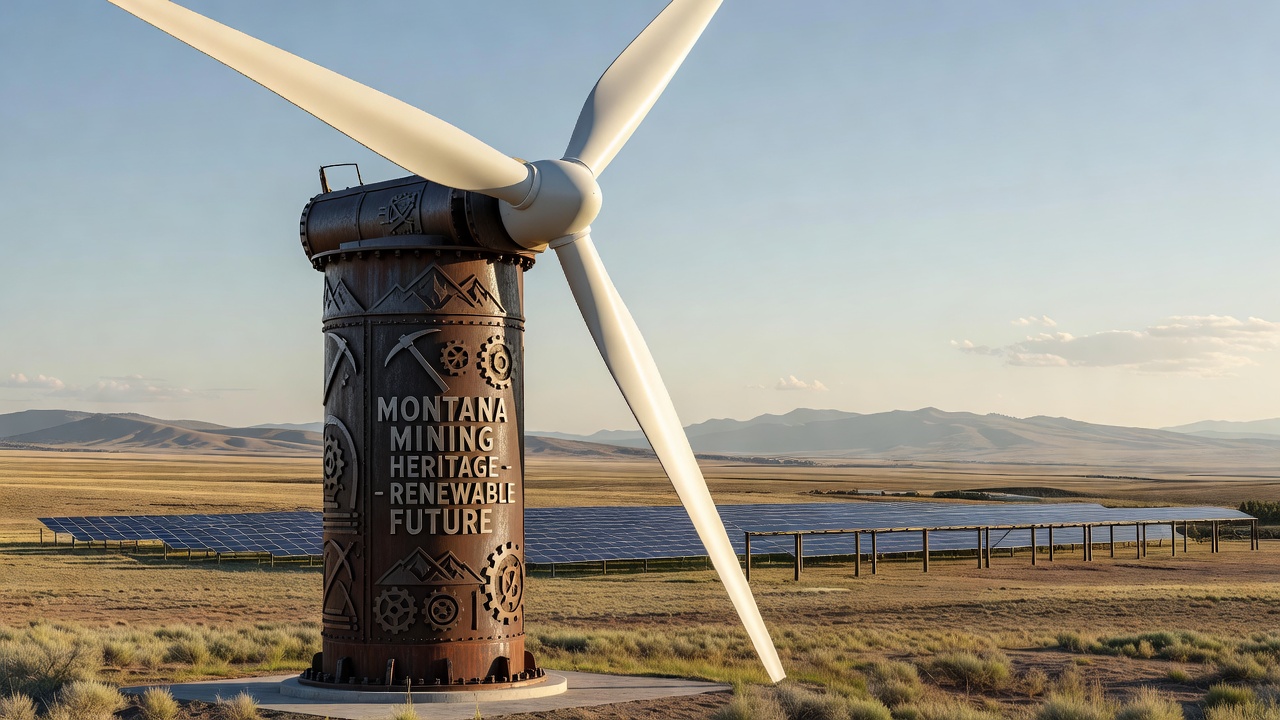
High-grade iron extracted from Montana's historic mining regions continues to find new roles in renewable energy infrastructure where structural integrity and durability matter most, and observers note that legacy deposits from areas like Butte provide materials suited for demanding applications in wind and solar installations. Data from geological surveys indicate these iron resources meet specifications for load-bearing elements because of their consistent composition and resistance to environmental stress, while researchers track how processing techniques adapted from earlier eras support current fabrication needs without requiring extensive new extraction.
Material Properties and Sourcing Patterns
Studies compiled by federal agencies show Montana iron ores often contain low impurity levels that translate directly into steel alloys used for turbine towers and mounting systems, and this quality stems from the geological formations documented across the state's mining districts. Engineers select these materials for components that must withstand cyclic loading and temperature fluctuations common in exposed renewable sites, whereas alternative sources sometimes demand additional refining steps that increase overall project costs. Figures released through industry reports reveal steady demand growth for such iron in North American fabrication facilities since supply chains prioritize regional availability to reduce transport emissions.
Integration in Wind Energy Structures
Wind turbine bases and nacelle supports rely on high-strength iron sections that Montana suppliers provide in standardized lengths, and project records from multiple Great Plains installations confirm these elements reduce assembly time when pre-fabricated to precise tolerances. One installation team documented in technical journals achieved faster erection cycles because the iron's weldability allowed on-site adjustments without specialized equipment, while similar projects in other regions experienced delays from material inconsistencies. Data indicates that by September 2026 several Midwest wind farms plan expansions using Montana-sourced iron for foundation reinforcements, aligning with updated grid connection targets set by regional utilities.
Load-Bearing Advantages in Tower Design
Structural analyses conducted at university labs demonstrate that Montana iron alloys maintain fatigue resistance under prolonged vibration exposure typical of turbine operations, and this performance supports taller tower configurations that capture higher wind resources. Fabricators combine the iron with composite coatings to extend service life beyond twenty years, whereas uncoated alternatives require more frequent inspections according to maintenance logs shared by operators. Those who've examined supply records note that sourcing from established Montana operations minimizes variability in batch quality compared with overseas shipments subject to longer lead times.
Applications in Solar and Storage Frameworks
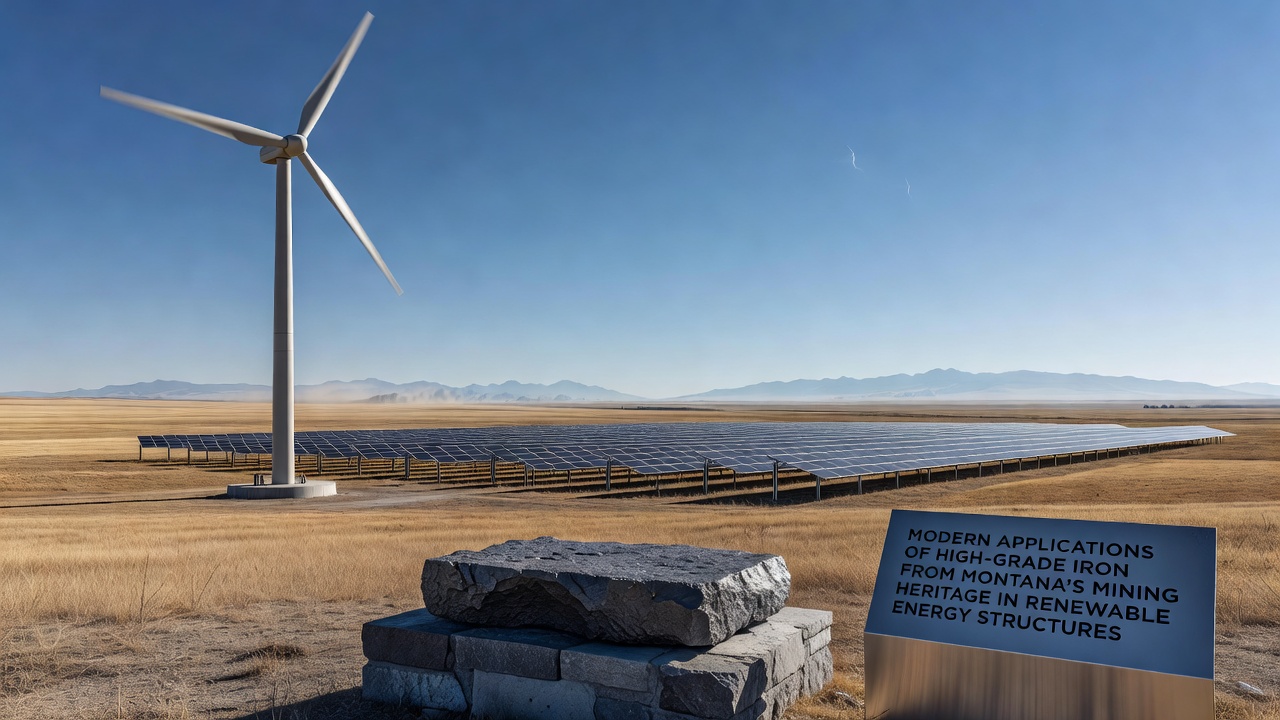
Solar array mounting systems incorporate Montana iron for ground anchors and tracker mechanisms because the material's tensile strength handles wind uplift forces without deformation, and field tests reported by engineering firms confirm reliable performance across varied soil conditions. Storage facilities for battery systems also utilize iron framing to secure heavy modules, while project documentation shows these structures integrate with concrete foundations more readily than lighter alternatives. Researchers tracking material flows across the western United States report that iron from Montana deposits accounts for a measurable share of components in utility-scale solar builds completed between 2023 and 2025.
Additional uses appear in hybrid renewable setups where iron supports both photovoltaic panels and small wind units on shared platforms, and case examples from Montana test sites illustrate how legacy mining infrastructure corridors now host transmission lines that connect these installations to the grid. Government data from the Department of Energy highlights how domestic iron sourcing aligns with federal incentives aimed at strengthening supply chains for clean energy equipment. Department of Energy reports on domestic material sourcing provide further detail on these patterns, and similar analyses from international bodies offer comparative perspectives on resource utilization.
Supply Chain and Fabrication Developments
Fabrication plants in neighboring states process Montana iron into modular sections that ship efficiently to renewable project sites, and logistics studies indicate this regional approach cuts delivery windows compared with distant imports. Industry organizations such as the International Renewable Energy Agency document how consistent material grades from historic mining areas support standardized designs that speed permitting and construction phases. IRENA material outlook publications track these trends across multiple continents, revealing parallel adoption in projects outside North America. Observers note that partnerships between Montana producers and renewable developers have expanded since 2022, driven by specifications that favor iron with verified metallurgical properties over generic substitutes.
Conclusion
High-grade iron from Montana's mining heritage supplies critical structural roles in contemporary renewable energy projects through documented performance in wind towers, solar mounts, and related frameworks, while ongoing data collection tracks its contribution to broader deployment goals. Records from operational sites and material analyses continue to guide selection decisions, and September 2026 updates from energy agencies will likely refine projections on future demand for these resources in expanding clean power networks.